3).jpg)
Blog Author: Rowan Weild
T-Level Digital Production, Design & Development at The Studio 2024 - 2026
Choosing to take a T-Level was, without a doubt, the best decision I have ever made for my future.
As someone who never felt at home in a traditional academic environment, the idea of sitting through two years of purely theoretical A-Levels was daunting. I’ve always been someone who learns best by doing, building, experimenting, failing, fixing, and improving. I knew I needed something that bridged the gap between education and a career.
Year 12
When I started in September 2024, I came in with GCSE-level Maths and Computer Science knowledge. Most of my programming experience was self-taught through Python, along with some basic HTML and CSS. I had an interest in technology, but I had no idea just how much my skills, confidence, and mindset were about to change.
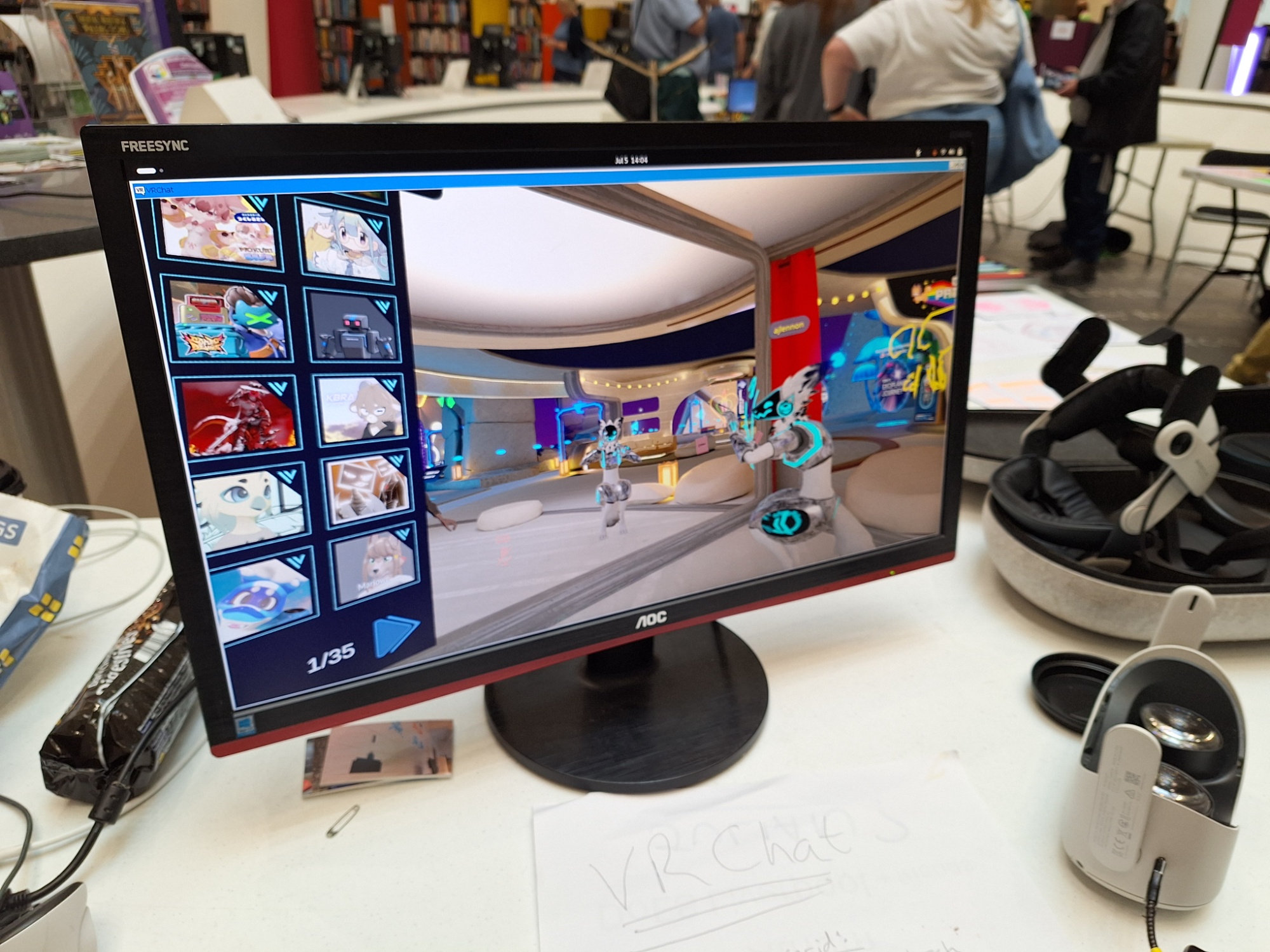
Within the first four months, I took part in a Code Camp with Andy Johnson. That experience completely changed how I viewed software development.
I wasn’t just making small practice programs anymore, I was learning how to build websites from scratch using C#, HTML, CSS, and JavaScript. More importantly, I was learning how the tech industry actually works.
At The Studio, the learning never felt disconnected from the real world. Everything we studied had practical application.
We learned about networking and then physically set networks up ourselves. We studied legislation and cybersecurity through real-world examples and scenarios. The course constantly linked theory to industry.
Details of my First Placement
In February 2025, I had my first industry placement at Sony Interactive Entertainment Europe.
Walking into a global company like PlayStation was honestly surreal. I gained insight into:
- QA testing
- Localisation
- Finance
- Project management
- Enterprise workflows
- Hardware assembly
I tested pre-release game builds, learned how bugs are documented and prioritised professionally, and even built PCs from scratch without instructions. It gave me my first real understanding of how massive technology companies operate behind the scenes.
Details of my Second placement
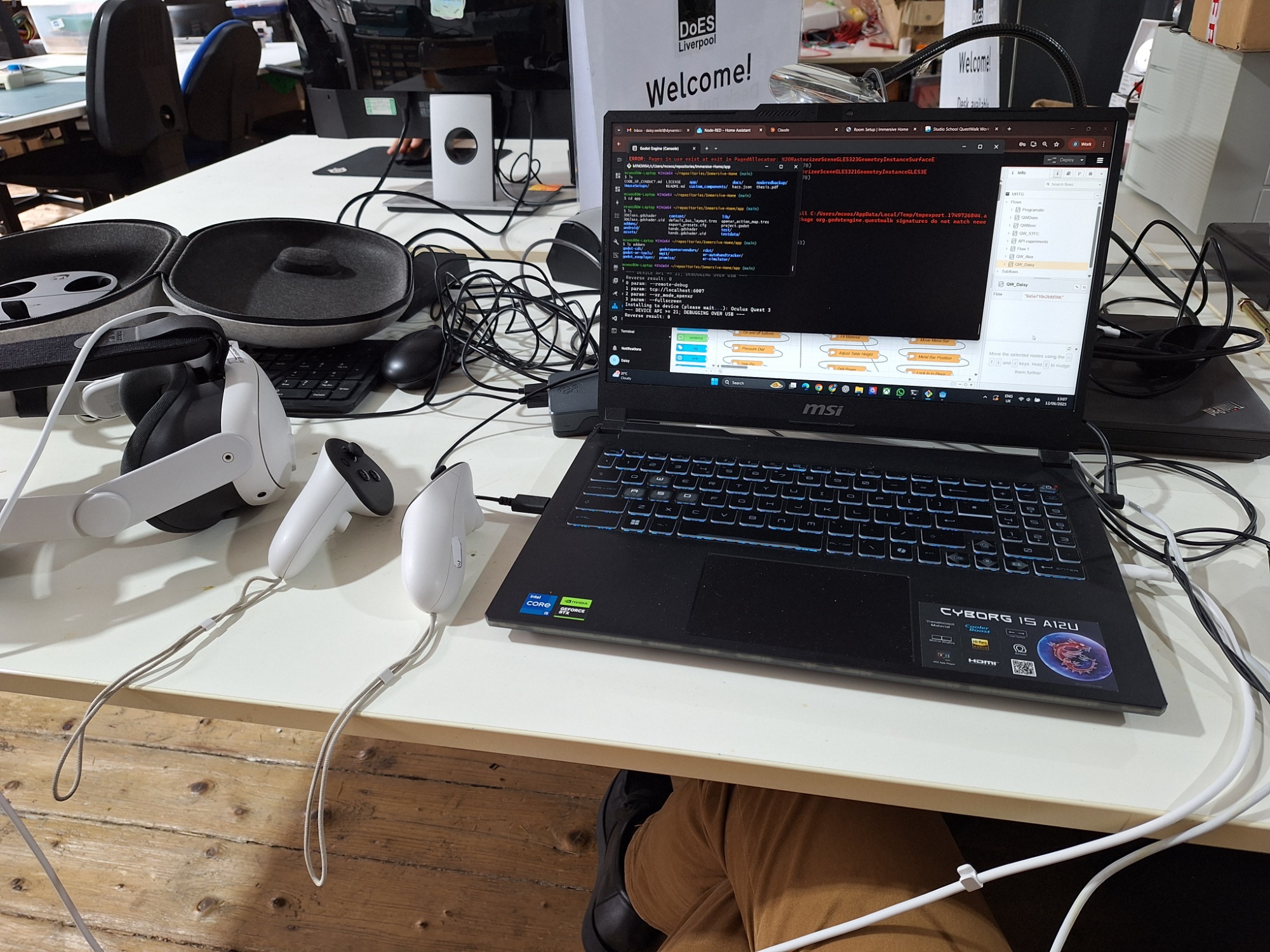
In June 2025, I began my second placement at DoES Liverpool CIC with Dynamic Devices, and honestly, this was one of the most important experiences of my life.
Under the mentorship of Alex Lennon, I worked on an AR/VR project where we developed an immersive workshop experience using Godot, Node-RED, Meta Quest hardware, and cross-platform deployment tools. I was also pushed by both Alex and my teachers to take on the role of Project Manager within the team.
We presented our project live to the Northern Automotive Alliance, collaborated with developers and engineers, managed GitHub repositories, used Trello for agile task management, and delivered demonstrations to industry professionals.
I can genuinely say I learned more in those six weeks than I had in years of previous education.
Alex pushed me to think differently, solve problems independently, and approach technology professionally. He treated me like part of the team, not just a student on placement, and that experience massively changed my confidence in both myself and my future.
Year 13
I began preparing for the Occupational Specialism Project (OSP), a nearly 70-hour practical assessment that pushed every technical and professional skill I had developed across the course.
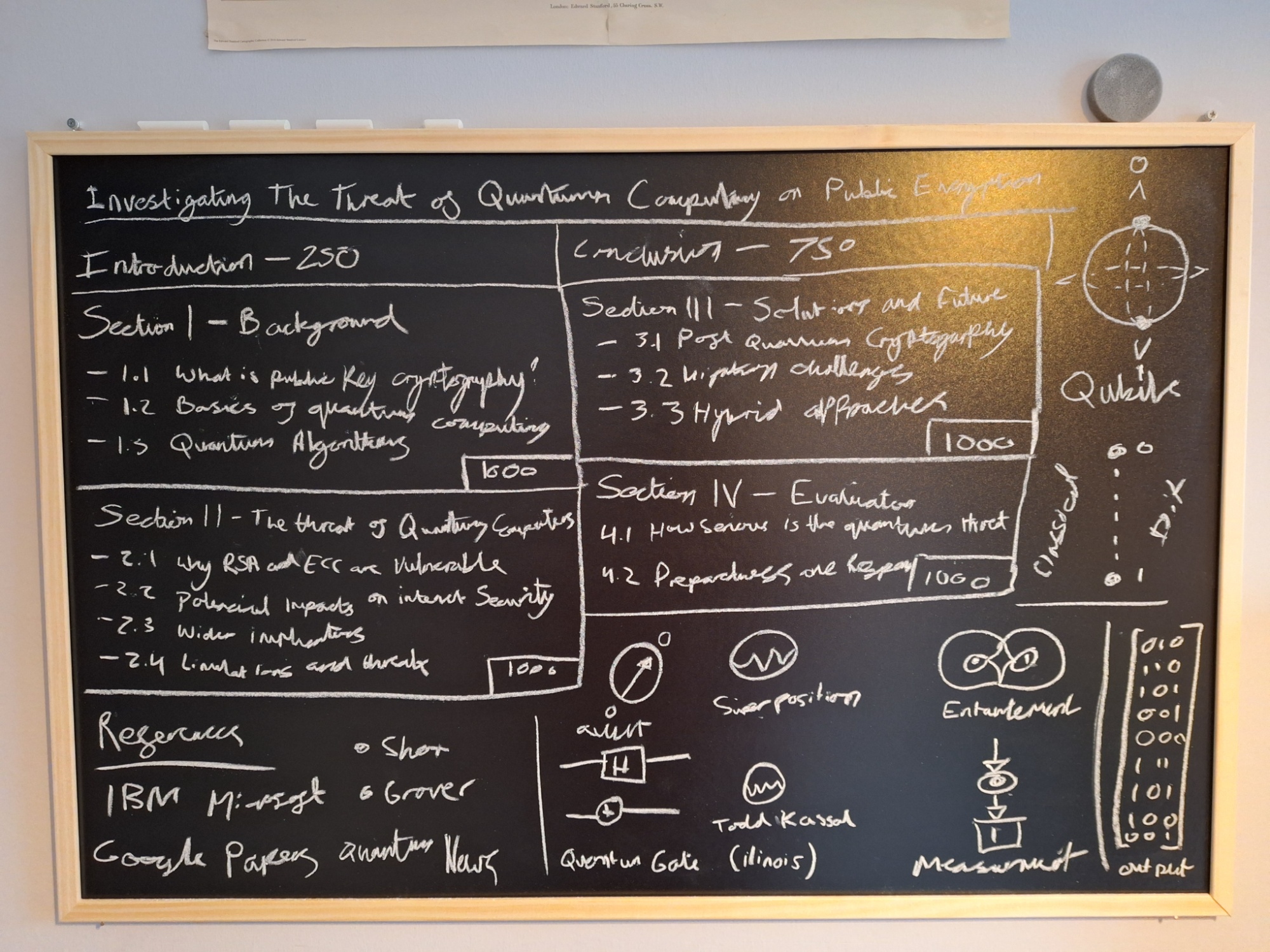
At the same time, I was completing my EPQ on quantum computing and its threat to public key encryption. That project was easily one of the most difficult academic challenges I’ve ever taken on. Researching cryptography, cybersecurity, and quantum algorithms pushed me far outside my comfort zone, but it also became one of the projects I’m most proud of.
Details of my Third Placement
Later in the year, I completed my third industry placement at The Athenaeum. My classmates and I redesigned and rebuilt their website using WordPress, Elementor Pro, SEO optimisation, and modern responsive design principles. This was my first time properly working with WordPress in a live production environment, and it taught me a huge amount about:
- Front-end development
- SEO optimisation
- Responsive design
- User experience
- Accessibility
- Client requirements
- Website maintenance
The placement went so well that I was offered the opportunity to continue maintaining the website freelance afterward, something I’m still doing today.
One of the biggest moments for me personally was achieving a Distinction in my mock OSP practical assessment. For the first time in my education, I truly felt confident in my abilities.
Why T-Levels Matter
T-Levels gave me something traditional education never could:
- Real industry experience
- Confidence in professional environments
- Technical skills employers actually use
- Opportunities to network with companies
- Hands-on learning
- Practical problem-solving experience
- Team collaboration skills
- Experience working with clients and stakeholders
Most importantly, they gave someone like me a chance to succeed.
Not everyone learns best through sitting in exam halls memorising information from textbooks. Some people learn by building, creating, experimenting, and applying their knowledge in real environments.
T-Levels recognise that. They create opportunities for students who may not thrive in traditional academic pathways but have enormous potential when given practical experience and industry exposure.
I honestly believe I would not be where I am today if I had chosen A-Levels instead.
Final thanks to The Studio
Thank you for believing in me, challenging me, supporting me, and giving me opportunities that completely changed my confidence and my future. The Studio didn’t just teach me technical skills, it helped me realise that I actually belong in this industry.